Vastu Shastra is an ancient Indian science of architecture and design, rooted in the belief that our surroundings have a profound impact on our well-being. This intricate system of rules and guidelines is based on the integration of nature, the elements, and human existence. Historically, Vastu has been a significant part of Indian culture, influencing the construction of temples, homes, and public spaces. Its principles are derived from ancient texts, which emphasize the harmony between human life and the environment.
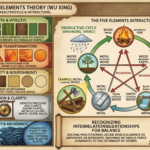
The core philosophy of Vastu Shastra revolves around balancing the five elements of nature—earth, water, fire, air, and space (ether). These elements play crucial roles in fostering an environment that promotes health, prosperity, and peace. In contemporary settings, particularly in apartment living, the application of Vastu principles can significantly enhance the overall quality of life for residents. Aligning living spaces with the principles of Vastu can lead to improved mood, physical well-being, and a sense of tranquility in one’s home.
With the increasing trend of urbanization, many individuals are moving into apartments where space is limited. However, the intelligent application of Vastu can transform these compact spaces into sanctuaries of positivity. By carefully considering the orientation, layout, and design of apartments based on Vastu guidelines, residents can maximize the flow of positive energy, or “prana,” throughout their homes. This not only aids in the creation of a harmonious living environment, but it also establishes a foundation for happiness and contentment.
In subsequent sections, we will delve deeper into specific Vastu principles and how they can be effectively integrated into apartment living to promote optimal well-being. The need for such alignment becomes increasingly vital in today’s fast-paced urban lifestyle, where the quest for peace and balance remains paramount.
Understanding Pyra Vastu
Pyra Vastu is an innovative approach derived from traditional Vastu Shastra, focusing on the energetic balance within living spaces, particularly in apartment settings. Unlike conventional Vastu practices, which emphasize structural alignment according to cardinal directions and elements, Pyra Vastu integrates modern scientific understanding with ancient philosophies to optimize the energy flow within confined spaces typical of urban dwelling. This methodology offers a contemporary perspective on how to enhance well-being and prosperity through architectural design and placement.
The roots of Pyra Vastu can be traced back to ancient Indian texts, which explore the synergy between the cosmos and human existence. As cities developed and lifestyles evolved, traditional methods needed adaptation. Pyra Vastu emerged as a response, maintaining the core principles of energy efficiency and elemental harmony while also considering the unique challenges of modern apartment living. It employs tools such as pyramidal shapes and geometric structures, believed to channel and magnify positive energies effectively. This approach sees the home not just as a physical structure, but as a vital source of vitality and creativity.
In practical terms, Pyra Vastu encourages techniques that include the strategic placement of furniture and fixtures, utilization of colors, and integration of natural elements. These methodologies foster an environment conducive to a positive atmosphere, mental clarity, and emotional stability. By applying these principles, residents can achieve a balanced living space that aligns with their personal aspirations and fosters an overall sense of well-being. As urbanization continues to grow, the relevance of Pyra Vastu becomes increasingly significant, advocating for environments that nurture rather than detract from the individual’s quality of life.
The Importance of Vastu in Apartments
As urban living continues to gain popularity, the integration of Vastu principles in apartment settings becomes increasingly significant. Vastu Shastra, an ancient Indian architectural science, emphasizes designing spaces that promote positive energy flow and well-being. In the context of apartments, where space is often limited and shared with many residents, the application of these principles can present unique challenges as well as opportunities.
Apartment living may lead to structural constraints that complicate the implementation of traditional Vastu guidelines. For instance, the orientation of the building, the placement of rooms, and other architectural considerations can impede the alignment with Vastu principles. However, despite these challenges, successfully applying Vastu in apartments can yield remarkable benefits. When Vastu principles are thoughtfully incorporated, they can significantly enhance the energy flow in the apartment, contributing to an overall sense of balance, harmony, and well-being.
The advantages of following Vastu in urban apartments extend beyond personal satisfaction to foster greater harmony among residents. A thoughtfully designed apartment that aligns with Vastu can promote positive relationships among its inhabitants, encouraging collaboration and mutual respect. Furthermore, many individuals have reported enhanced physical and mental health by residing in spaces that adhere to Vastu principles. By prioritizing Vastu considerations in their living spaces, individuals can transform their apartments into sanctuaries of peace and productivity.
In conclusion, while urban living may pose challenges to the application of Vastu Shastra, the benefits of incorporating these principles into apartment design are undeniable. The improved energy flow and enhanced well-being derived from Vastu adherence can greatly enrich the living experience in densely populated environments. Therefore, it is essential for apartment dwellers and designers alike to recognize and apply Vastu principles to foster an atmosphere conducive to optimal well-being.
Key Vastu Principles for Apartment Design
When it comes to apartment living, integrating Vastu principles can significantly enhance the overall ambiance and promote well-being. One essential aspect is the compartment layout. Ensuring an open floor plan can facilitate energy flow, preventing the stagnation of energy in small, closed-off areas. This openness creates a sense of freedom and allows for positive vibrations to permeate throughout the space.
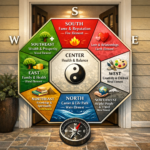
Another important Vastu principle is the orientation of various rooms. Ideally, living rooms should be situated in the northeast or northwest direction. This positioning helps in harnessing natural light and positive energy in the living area. Bedrooms, on the other hand, are best placed in the southwest direction, as this positioning is believed to foster stability and restful sleep.
In addition to room placement, the arrangement and orientation of furniture play a pivotal role in ensuring a harmonious living environment. For instance, beds in bedrooms should be positioned such that the head is placed towards the south for a peaceful sleep. In living spaces, the couch or seating area should be oriented toward the entrance to encourage a welcoming atmosphere. Furthermore, aligning furniture according to these principles helps in maintaining a balanced energy flow within the apartment.
Incorporating natural elements is another vital aspect of Vastu for apartments. Elements such as plants not only enhance aesthetics but also purify the air and bring vitality to the living space. Placing potted plants in the east or north direction is favorable, serving dual purposes of beauty and functionality. Water features, if feasible, can introduce tranquility, and the sound of flowing water is believed to attract prosperity.
Implementing these Vastu principles in your apartment can lead to a more balanced and nurturing living environment, fostering wellness and harmony among residents.
Room-Specific Vastu Guidelines
Vastu Shastra, the ancient Indian science of architecture and design, offers valuable insights into harmonizing living spaces. Each room in an apartment serves a distinct purpose and can benefit from specific Vastu principles aimed at enhancing energy flow and well-being. This section outlines guidelines tailored for the four main areas of an apartment: the living room, kitchen, bedrooms, and bathrooms.
Living Room: The living room is often the heart of the apartment, where families gather. Ideally, this space should be located in the north or east direction to welcome positive energy. Ensure that the seating arrangements are circular or square, which encourages conversation and connection. Incorporate soft lighting and plants to enhance the ambiance, but avoid clutter as this can obstruct the flow of energy.
Kitchen: The kitchen symbolizes nourishment and prosperity. According to Vastu, the ideal location for a kitchen is in the southeast corner of the apartment. Position the cooking stove towards the east, allowing chefs to face east while preparing meals. It is important to keep the kitchen clean and well-organized, as this promotes a positive environment conducive to health and vitality.
Bedrooms: The placement of the bedroom can significantly affect sleep and relationships. The southwest corner is preferred for master bedrooms, as it is believed to bestow stability and strength. Bed placement should ideally allow individuals to sleep with their heads toward the south or east. Dimming lights and soft colors can create a calming atmosphere that encourages restful sleep.
Bathrooms: Although bathrooms are often overlooked, they play a key role in Vastu. The northwest corner is the ideal location for a bathroom, with a clear distinction from living areas to maintain hygiene and energy flow. Ensure good ventilation and lighting, while keeping the space tidy to avoid stagnant energy.
By following these room-specific Vastu guidelines, residents can enhance the overall energy of their apartment, leading to improved health, harmony, and happiness.
Common Vastu Dos and Don’ ts for Apartments
When it comes to apartment living, many individuals overlook essential Vastu principles that can significantly impact their well-being. Implementing Vastu shastra in your apartment design and decor can enhance your living environment, promoting peace, prosperity, and health. Here are some commonly overlooked Vastu mistakes, along with actionable dos and don’ts to help you harmonize your space.
Dos:
Keep the entrance clean and bright: Ensure the main entrance to your apartment is well-lit and clutter-free, as this invites positive energy into your home.
Position furniture wisely: Arrange furniture to facilitate easy movement and conversation. Avoid heavy furniture in the center of the living area to maintain an open, inviting space.
Use calming colors: Opt for soothing color palettes in your decoration. Pastel shades, like light blues and greens, promote tranquility and balance.
Don’ ts:
Avoid clutter: Clutter can obstruct the flow of energy. Regularly clear out unnecessary items to keep your apartment organized and serene.
Don’t place mirrors opposite your bed: Mirrors can reflect energy, which may disrupt sleep. Position mirrors away or ensure they do not face your bed directly.
Avoid the use of dark colors: Dark or overly bold colors can create a heavy atmosphere. Instead, aim for a balance with lighter shades that evoke positivity and serenity.
By adhering to these Vastu dos and don’ts, you can effectively create a harmonious living space that fosters well-being and enhances your overall quality of life in your apartment.
Case Studies: Successful Pyra Vastu Applications
Numerous individuals and families have reported transformative experiences after implementing Pyra Vastu principles within their apartment living spaces. This ancient Indian practice focuses on the arrangement of space and energy flow to enhance overall well-being. Here are a few notable case studies highlighting the successful application of Pyra Vastu.
One family residing in a small urban apartment in Mumbai decided to apply Pyra Vastu to improve their living conditions. They initially struggled with life’s challenges, feeling overwhelmed and disconnected. After consulting with a Pyra Vastu expert, they modified the layout of their living area according to the principles of energy flow. Key recommendations included repositioning furniture, adjusting lighting fixtures, and incorporating specific healing colors. These changes led to not only a more inviting atmosphere but also fostered better communication among family members. The family’s testimony indicated noticeable improvements in harmony and productivity, with enhanced feelings of joy and emotional well-being.
Another case involved a couple in Bengaluru who had recently purchased an apartment. They desired a peaceful living environment conducive to their work-from-home lifestyle. Following the guidance of a Pyra Vastu practitioner, they undertook several modifications in their home. These included optimizing the workspace alignment according to cardinal directions and balancing elemental energies through the strategic placement of plants and water elements. Post-implementation, the couple reported increased focus and creativity, significantly enhancing their professional output. They noted that their new apartment had transformed into a sanctuary that supported not only their career aspirations but also their mental health.
These case studies exemplify how applying Pyra Vastu principles can lead to meaningful changes in apartment living. By consciously arranging spaces and acknowledging the importance of energy flow, individuals can create environments that promote peace, harmony, and overall well-being.
Integrating Modern Design with Vastu Principles
In today’s urban lifestyle, the blending of modern design aesthetics with traditional Vastu principles creates spaces that are not only visually appealing but also promote well-being. The essence of Vastu Shastra encompasses the alignment of energies, facilitating a balanced atmosphere. This can coexist with contemporary decor styles, resulting in harmonious living spaces.
One way to achieve this integration is through the use of natural materials and colors that align with Vastu principles. For instance, wooden furniture combined with earthy tones can create a grounded atmosphere. Using materials like bamboo or reclaimed wood not only adheres to sustainable practices but also resonates with Vastu’s emphasis on nature. Color selection is equally vital; soft, neutral palettes promote peace while vibrant accents can energize the space.
Additionally, the arrangement of furniture plays a crucial role in both modern design and Vastu compliance. Keeping furniture arrangements open and allowing for free movement invites positive energy into the space. For instance, positioning the sofa in the living room to face the entrance aligns with Vastu’s suggestions, while still maintaining a contemporary layout that encourages social interaction.
Moreover, integrating modern technology within the Vastu framework is imperative in today’s world. Smart home devices can enhance functionality without compromising the spiritual essence. Design elements like mirrors, which are often used in modern homes, should be positioned thoughtfully, adhering to Vastu guidelines to avoid reflecting unfavorable energies.
In conclusion, it is entirely feasible to merge modern design aesthetics with Vastu principles. By consciously selecting materials, arranging furniture mindfully, and embracing technology, one can create an apartment living experience that balances functionality and spirituality, encouraging a serene and prosperous environment.
Conclusion and Call to Action
In the contemporary urban environment, apartment living poses unique challenges in achieving a harmonious balance between comfort and well-being. By integrating Pyra Vastu principles into your apartment’s design and layout, you can significantly enhance the quality of life for you and your family. The application of Pyra Vastu facilitates optimal energy flow, fostering a tranquil space that promotes mental clarity, emotional stability, and overall health.
The benefits of Pyra Vastu in apartments extend beyond physical arrangements; it also nurtures emotional connections within the home. By aligning your living space with the natural elements and energy sources, you can create an atmosphere conducive to relaxation and positivity. Understanding the significance of orientation, room placement, and elemental balance can lead to improved relationships and a greater sense of peace within your household.
We encourage you to take actionable steps toward transforming your living space through Pyra Vastu. Whether you are considering a major renovation or simply wish to make small changes, incorporating these principles can create a remarkable impact on your everyday life. To delve deeper into the potential of Pyra Vastu, we invite you to explore our resources and services available at pyrahealth.com. Here, you will find expert guidance, further reading materials, and professional consultations that can help you harmonize your apartment living space to promote optimal well-being.
Taking these initial steps towards your Pyra Vastu journey not only serves you in the present but establishes a sustainable environment for future inhabitants. Unlock the benefits of a thoughtfully designed home through the timeless wisdom of Pyra Vastu.