Pyramid Vastu (PyraVastu) is the application of Vastu principles through pyramid space.
Five Elements and Central Axis
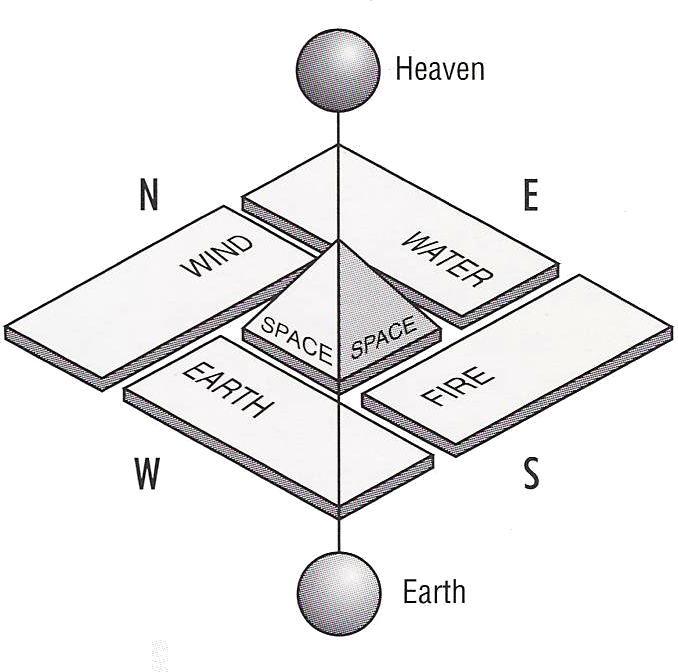
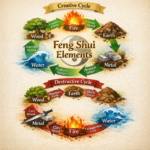
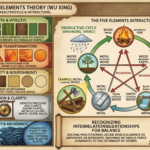
The five elements of material nature, Earth, Water, Fire, Wind, and Space govern us. Harmony between these elements in our body and our environment brings about peace and balance within us. Because physical existence and change also affect and define space, by manipulating space the behavior of the five elements are influenced. Vastu and Feng Shui are particularly important within an enclosed space because the space affects the energy flow.
91 chambers from 9×9 + 9 + 1
When there are boundaries, the enclosed space is a bounded space. The bounded space has internal effects and effects in harmony with the outer space. Its own working depends upon the geometry of the boundary. Pyramid yantra uses a technique to take advantage of the properties of bounded space. Multiplication increases the effect of bounded spaces. The power of pyramid yantra is based on the permutation, combination, and interaction of such known multiple spaces. So multiple space is one of the most important factors in PyraVastu.
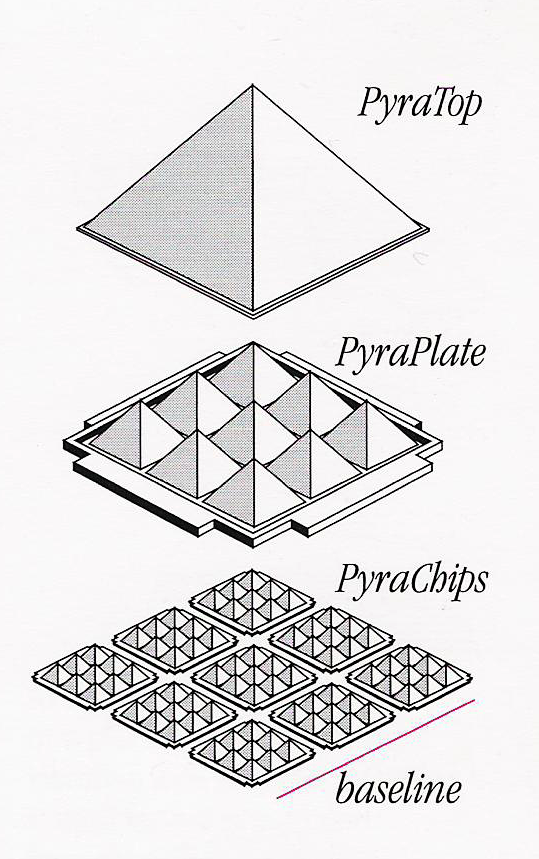
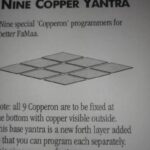
A Pyramid Yantra uses 91 interactive chambers, through the power generation formula 9×9. This 9 times 9 law is used in astrology (9 planets), numerology (9 numbers), Vastu and Feng Shui (grid of 9), and in traditional Islamic, Chinese, and Hindu yantras. The power generation formula of Pyramid Yantra is used through an inner layer of 81 micro chambers (9 chambers along a side with 9 chambers along the other side and the inner space filled with micro chambers), a layer of 9 middle chambers surrounding the micro chambers, and one top outer chamber.
The pyramid yantra is a miniature version of a pyramid. It can be a single pyramid or a set (usually in multiples of nine) of pyramids arranged either horizontally or vertically (one above another), called ‘multier’.
Bagua 9×9 Grid
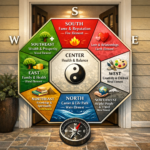
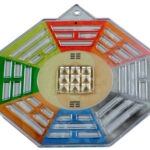
The Bagua 9×9 map refers to a detailed and expanded version of the traditional Feng Shui Bagua map, which is used to analyze and harmonize the energy, or qi, of a space. In classical Feng Shui, the Bagua is typically divided into eight main life areas surrounding a center, forming an octagon (or sometimes a square), with each section corresponding to an essential aspect of life such as wealth, relationships, career, family, and health. The 9×9 Bagua grid takes this concept a step further by overlaying a nine-by-nine square grid—totaling eighty-one smaller squares—onto a floor plan or area. This method allows for a more precise and nuanced energy analysis, ensuring that each portion of a space can be assessed and balanced with great accuracy.
In this expanded form, the central square of the grid represents the heart of the home or area, symbolizing overall well-being and balance, while the eight surrounding sections correspond to different aspects of life—Wealth and Prosperity, Fame and Reputation, Love and Marriage, Family and Health, Center (Tai Chi), Children and Creativity, Knowledge and Self-Cultivation, Career, and Helpful People and Travel. By dividing each of these sections further into smaller squares, practitioners can identify subtle variations in energy flow. This detailed method is particularly useful for larger homes, offices, or properties where the energy dynamics are more complex.
Practicing Feng Shui with the 9×9 Bagua grid encourages thoughtful placement of objects, colors, and elements to enhance desirable energies. For instance, someone seeking abundance might activate the Wealth and Prosperity corner—traditionally located in the far-left section of the grid when aligned with the main entrance—by incorporating symbols of growth, such as healthy plants, the color purple, or elements representing water and wood. Similarly, the Love and Relationships area might be enhanced with pairs of objects, warm tones, and gentle lighting to foster harmony and support emotional connection.
Beyond interior design, the Bagua 9×9 grid method can also be applied to landscape planning and workspace organization. Its principles lend insight into how invisible patterns of energy influence mood, motivation, and opportunity. Many modern Feng Shui consultants use digital tools to superimpose the grid over architectural plans, allowing for more efficient analysis while respecting traditional wisdom.
In essence, the Bagua 9×9 map is not just a grid—it is a map of human life and aspiration. It serves as a guide to align our physical environment with our emotional and spiritual needs, reminding us that harmony in our surroundings can lead to harmony within ourselves.