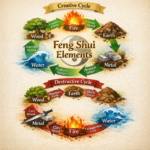
Tattvas represent the foundational elements that constitute the universe in Vedic philosophy. These five elements—earth, water, fire, wind, and sky/space/ether—serve as the building blocks of all existence. Each tattva embodies specific qualities and influences, contributing to the intricate balance of nature and the cosmos. Understanding these elements is essential for grasping the interconnectedness of life and the principles governing the natural world. Each tattva interacts with the others, creating a dynamic interplay that shapes our surroundings. For instance, earth provides stability and structure, while water offers fluidity and adaptability. Fire symbolizes transformation and energy, wind represents movement and change, and sky embodies the vastness of existence. By recognizing the significance of these elements, individuals can cultivate harmony within themselves and their environment. This holistic awareness fosters a deeper appreciation for the intricate web of life and the forces that sustain it. The interplay of the tattvas influences not only the physical realm but also emotional and spiritual dimensions. Each element can inspire personal growth, guiding individuals toward greater self-awareness and understanding. By meditating on these qualities, one can harness their energy for personal transformation. Additionally, integrating the lessons of the tattvas into daily life encourages a more mindful approach to interactions with others and the world. Ultimately, this knowledge empowers individuals to live in greater alignment with the natural rhythms of life. As individuals embrace this journey, they may find themselves more attuned to their intuition and creativity. This heightened sensitivity can lead to richer relationships and a stronger sense of community. Engaging with nature becomes not just a pastime but a vital practice for rejuvenation and insight. Ultimately, understanding the tattvas opens pathways to healing and self-discovery, allowing for a more profound connection to one’s purpose. By embodying these principles, individuals can inspire others to embark on their own transformative journeys.
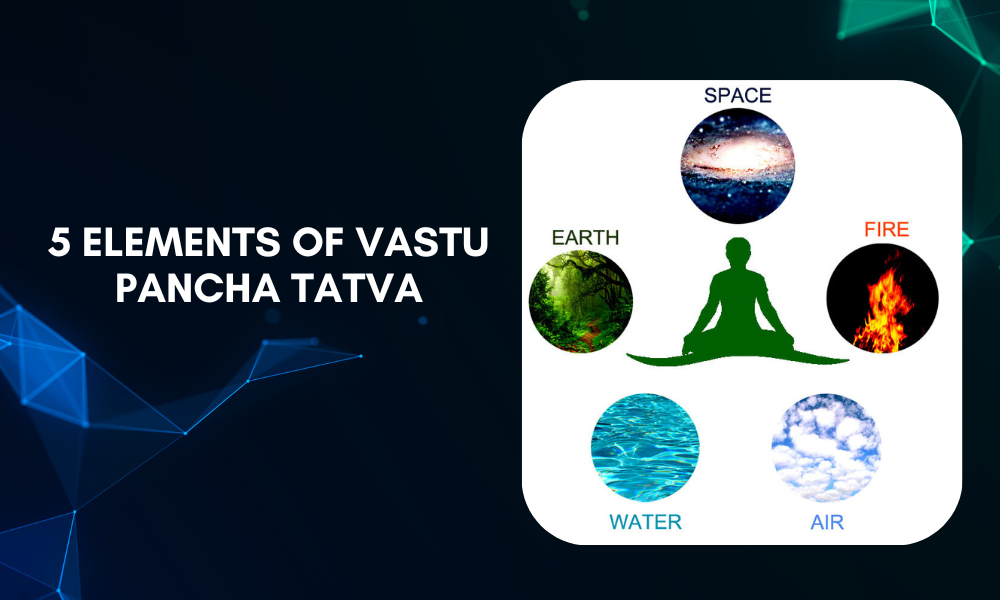
In Vedic philosophy, the five tattvas refer to the fundamental elements that make up the universe. These include Earth (Prithvi), Water (Jal), Fire (Agni), Air (Vayu), and Space (Akash). Each element represents a unique quality and plays a vital role in maintaining balance in both nature and human life.
Importance of Tattvas in Vastu Shastra
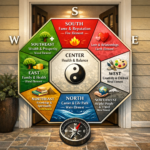
In Vastu Shastra, the five tattvas are used to design and organize living spaces in a way that promotes harmony and balance. Each direction in a property is associated with a specific element, and aligning these elements correctly can improve well-being and prosperity. For example, water elements are best placed in the North or Northeast, while fire-related activities like cooking should be in the Southeast.
Each tattva has distinct characteristics:
Earth (Prithvi): Stability and strength
Water (Jal): Flow and adaptability
Fire (Agni): Energy and transformation
Air (Vayu): Movement and communication
Space (Akash): Expansion and openness
Balancing these elements is essential for a harmonious environment.
Benefits of Balancing Tattvas
When the five elements are balanced within a space, it can lead to improved mental clarity, better health, and financial stability. Proper alignment of tattvas enhances positive energy flow and reduces stress and negativity. This balance is a key principle in both Vastu Shastra and holistic living practices.