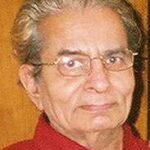
Osho, born Chandra Mohan Jain and also known as Bhagwan Shree Rajneesh, remains one of the most polarizing and influential spiritual figures of the 20th century. A former philosophy professor turned global mystic, his teachings advocated for a total “rebellion” against the social, religious, and political structures that he believed suppressed human potential.
For an audience deeply invested in holistic health, overall well-being, and the pursuit of lasting vitality, Osho’s philosophy provides a remarkably profound and transformative bridge between the outer world of physical exuberance and the inner realm of spiritual stillness. Rooted in a fusion of Eastern mysticism and Western psychological insight, his teachings invite individuals to experience health not merely as the absence of illness but as a vibrant state of harmony encompassing body, mind, and spirit. Through methods such as dynamic meditation, awareness-based movement, conscious breathing, and emotional release, Osho emphasized that true vitality arises when one learns to celebrate the body’s natural rhythms while simultaneously cultivating a deep, unshakable inner silence. To followers interested in holistic living, Osho’s approach reframes well-being as a dynamic dance between activity and rest, passion and peace, expression and surrender. He encouraged practitioners to move beyond rigid disciplines or ascetic practices and instead embrace life’s fullness—with joy, sensual awareness, and gratitude for the present moment. By aligning physical energy with mindfulness and heart-centered awareness, people can discover a more authentic expression of health, where every breath becomes an act of meditation and every movement a step toward inner balance. Ultimately, Osho’s philosophy speaks to those who see health as a sacred integration of vitality and consciousness. It inspires a lifestyle that honors both the body’s innate wisdom and the soul’s longing for stillness, guiding individuals toward a holistic state of openness, clarity, and radiant aliveness—a true synthesis of the material and the spiritual dimensions of human existence.
Core Philosophy and Beliefs
Osho’s “religionless religion” was a synthesis of Eastern traditions like Zen, Sufism, and Tantra with Western psychotherapy. His worldview was built on several provocative pillars:
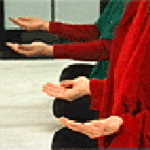
- Active Meditation: Osho argued that modern humans are too restless for traditional silent meditation. He created “Active Meditations,” most famously Dynamic Meditation, which uses intense physical stages—like catharsis and dancing—to exhaust the body so the mind can finally settle into silence.
- “Zorba the Buddha”: He rejected the idea that spirituality requires poverty or asceticism. Instead, he proposed the ideal of Zorba the Buddha—a human who is as grounded and celebratory in the material world as “Zorba the Greek,” yet as silent and enlightened as the “Buddha.”
- Total Awareness: He taught that enlightenment is not a destination but a quality of being. By bringing mindfulness and awareness to every action—from eating to working—one could live a life free from the weight of past conditioning.
- Sexuality and Transformation: Unlike many traditional paths, Osho viewed sexual energy as the raw material for spiritual growth. He taught that by accepting and moving through sexual energy with awareness, one could eventually transcend it to reach higher states of consciousness.
The Legacy of the “Master”
Osho’s intellectual and spiritual legacy is undeniable, standing as a bridge between traditional Eastern wisdom and contemporary Western thought. His teachings—delivered through thousands of spontaneous discourses—explored the full spectrum of human experience, from meditation and self-awareness to love, creativity, and the nature of enlightenment. Over the years, these talks were transcribed into hundreds of books, covering almost every aspect of life and spirituality, and they continue to be read, studied, and discussed by seekers across the world. Beyond their literary value, Osho’s works have become touchstones for individuals searching for a deeper connection to themselves and the world around them. His approach emphasized direct experience over mere belief, encouraging people to question societal conditioning and discover their unique inner truth. The popularity of his words owes much to their clarity, humor, and fearlessness in addressing topics that others often avoided—religion, politics, relationships, and the shifting consciousness of humanity. Today, Osho’s influence extends far beyond his books and recordings. Meditation centers based on his teachings operate on every continent, and his insights continue to inspire psychologists, artists, and spiritual teachers. Countless readers and listeners report that his perspective helps them navigate the complexities of modern life with greater awareness and freedom. Decades after his passing, Osho’s voice remains alive in the hearts of millions, reaffirming his place as one of the most provocative and transformative thinkers of the 20th century.
Today, the Osho International Meditation Resort in Pune, India, remains a major destination for those seeking to integrate high-intensity modern living with deep meditative practices.
Why Osho Matters for Pyrahealth
Osho’s insistence on the “celebration of life” aligns with a holistic view of health that goes beyond just the absence of disease. He reminds us that true vitality involves:
- Emotional Catharsis: Releasing stored tension.
- Intellectual Freedom: Thinking for oneself.
- Spiritual Depth: Finding a center of calm in a chaotic world.